
There is an invisible force in education powerful enough to impact the success or failure of every student across the nation. Millions of dollars are spent every year on tools and resources designed to help our students thrive while this force is available free of charge. It is, in fact, one of the key components that has contributed to the success of such teachers as Jaime Escalante and Ron Clark. Stephen Krashen calls this the Affective Filter.
According the Steven Krashen the Affective Filter is a “screen” that is influenced by emotional variables that can prevent learning.” In other words, any comprehensible input available to a student can and will be filtered out if a high Affective Filter is present thereby hampering or stopping the learning process altogether. Conversely, a low Affective Filter provides a secure and dynamic setting for growth and development.
Steven Krashen, Emeritus Professor of Linguistics and Education at the University of Southern California, includes the Affective Filter as one of the components of his Monitor Theory of second language acquisition. Though undeniably vital for ELLs, after having worked in education for over 20 years, I contend the Affective Filter is important in providing a fertile learning environment for ALL students. Case in point, just watch this short clip from the Ron Clark Story.
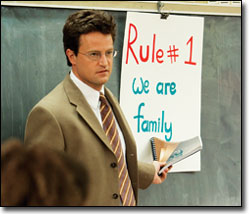
From the movie The Ron Clark Story
In this short scene, we see examples from all three of the main components that regulate the Affective Filter – the environment, the relationships, and the child. Ron Clark immediately changed the environment with his body language, his tone of voice, and by simply moving closer to the student. In two short minutes the relationship they formed was the catalyst that helped this young boy go from believing he was no better than trash to begin seeing in his own potential and worth.
We can all transfer this concept to our own individual classrooms so our students can reap the benefits a lower Affective Filter has to provide. Learning is a process of experimenting with new schema, identifying those that don’t fit with what we have come to know to be true, and replacing them with the corrected ones. In other words, we learn from our mistakes. When students are given the freedom to take risks without fear, the Affective Filter is low enough to provide a fertile environment for learning. When students are afraid of negative repercussions of failure, they are more likely to freeze up and shut down the learning process; therefore, they experience ultimate success when they are given the freedom to think through the process and correct their miscues.
A classroom with a low Affective Filter does not happen by accident. It is imperative to make intentional decisions about the classroom environment, instruction, and procedures. This starts with the attitude and demeanor of the teacher. We are all under pressure – deadlines, performance, personal – just to name a few, but we must realize we set the tone. As each child enters the room, they too, are entering with the baggage from the outside.
The tone we set by the way we greet them and the knowledge that we are providing them a safe place may not be able to totally eliminate the negative influences of the world, but they go a long way toward providing an important barrier. The policies and procedures, the decisions we make about our teaching all lay the foundation for the entire day.
Here are just a few suggestions:
- Make sure EVERY student knows you believe in them.
- Openly discuss your expectations with your students – not a class of individuals but a team
- Promote an environment where the students edify one another instead of laugh at mistakes.
- Protect learning time – teach your students the art of waiting until their peers have had time to think instead of blurting out the answer.
- Celebrate successes.
- Allow students to learn from mistakes by letting them correct errors
- Get to know your student and build on his background knowledge and experiences
The affective filter is free but it does come with a price tag – our time, our energy, and our passion – they are costly. The rewards – successful students – however, are priceless.
 Chronicles of Clarity